

This post may contain affiliate links. Please see our disclosure policy.
These Homemade Corn Tortillas puff beautifully every time, giving you that soft, tender texture you expect from authentic tortillas. They’re perfect for Carne Asada Tacos, Carnitas, and Al Pastor!

If you’ve ever felt embarrassed because you “should” know how to make tortillas (especially if you’re Mexican)… you’re not alone! I can’t tell you how many readers have written to me saying they’ve given up on making corn tortillas because they never turn out right. Trust me, I’ve been there!
After trial & error, testing different brands, and burning my fingertips more times than I’d like to admit, I finally unlocked the method that makes perfect homemade corn tortillas every single time.
What a Corn Tortilla Should Look and Feel Like
Here are all the marks of a well-made corn tortilla:
- A beautiful puff – The iconic puff isn’t just for show. When your tortilla puffs, it means the dough is hydrated just right and cooked at the proper temperature, creating a burst of steam from the inside. Puffy tortillas are soft, flexible, and hold fillings without tearing.
- Smooth, even edges – Aim to get the edges as smooth as possible. Smooth edges indicate a well-rested, properly hydrated dough.
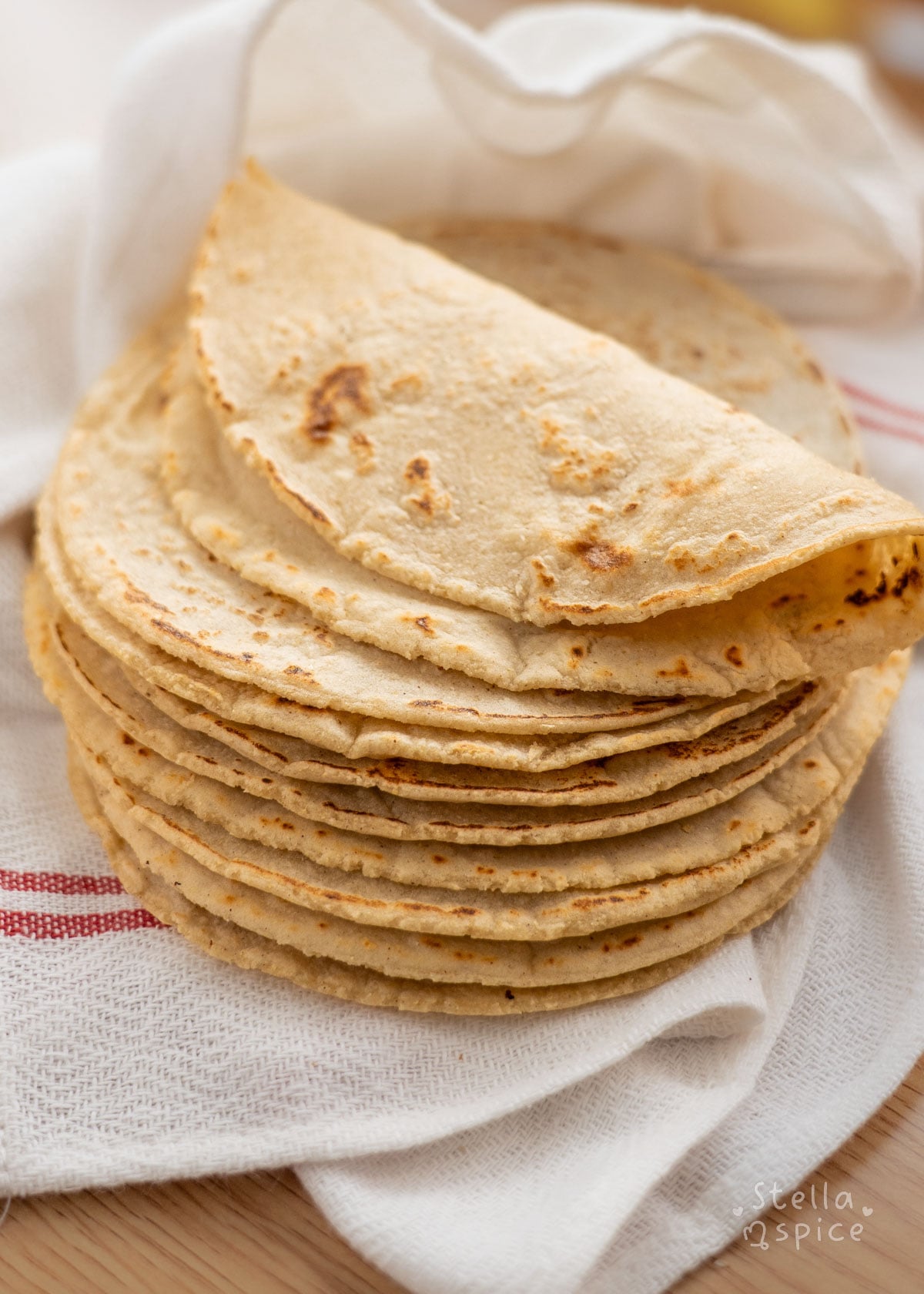
- Soft & flexible texture – A perfect tortilla bends without breaking. It should feel tender in your hands and easy to roll.
- Even color with golden spots – Look for light toasty spots across the surface; they indicate the comal is hot enough and the tortilla is cooking evenly.
- The crumple test – Here’s a fun, foolproof trick: gently crumple the tortilla in your hand, then open it back up. A well-made tortilla will spring back into shape, not crack or break. This simple test tells you if it’s hydrated and cooked just right.
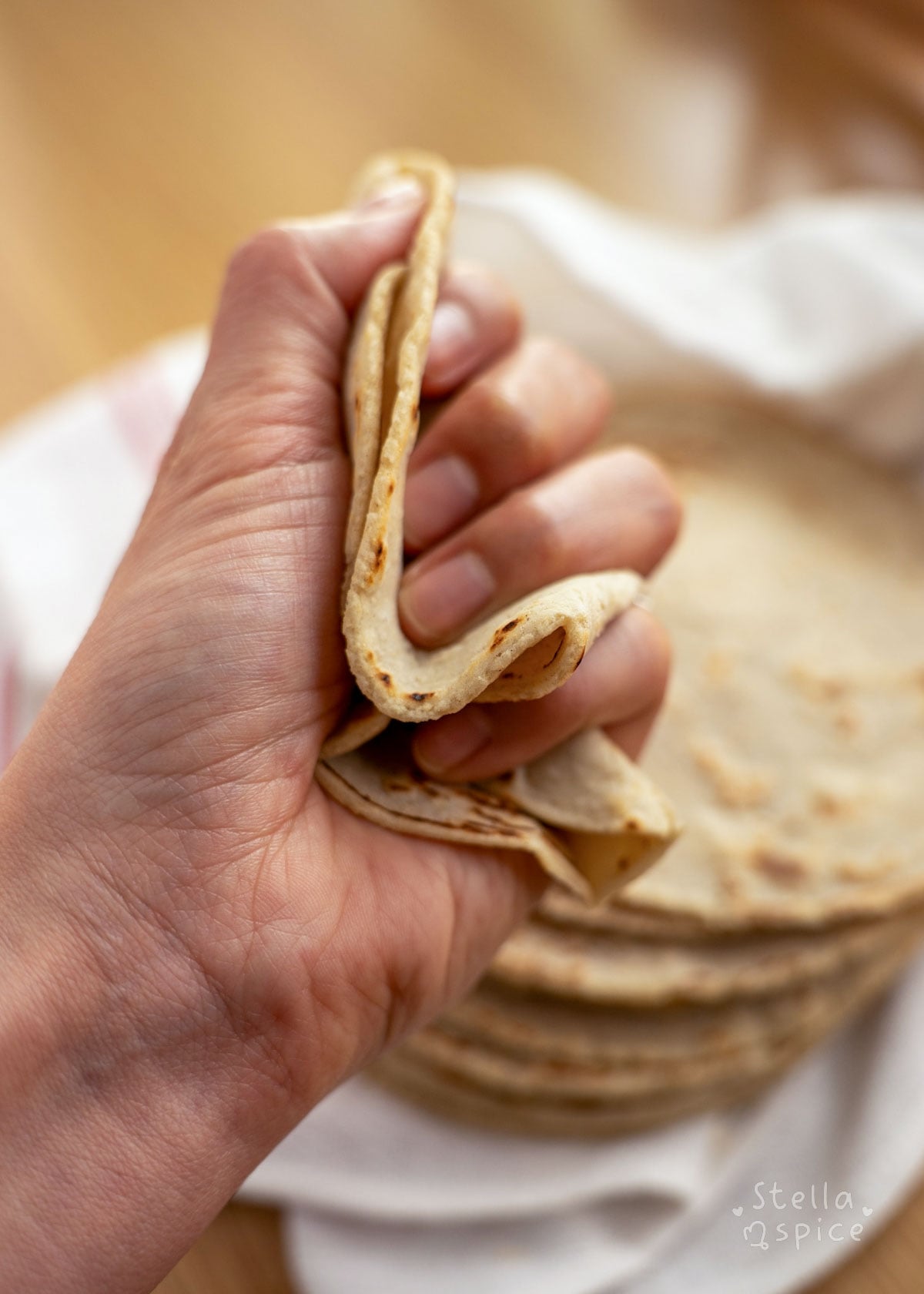
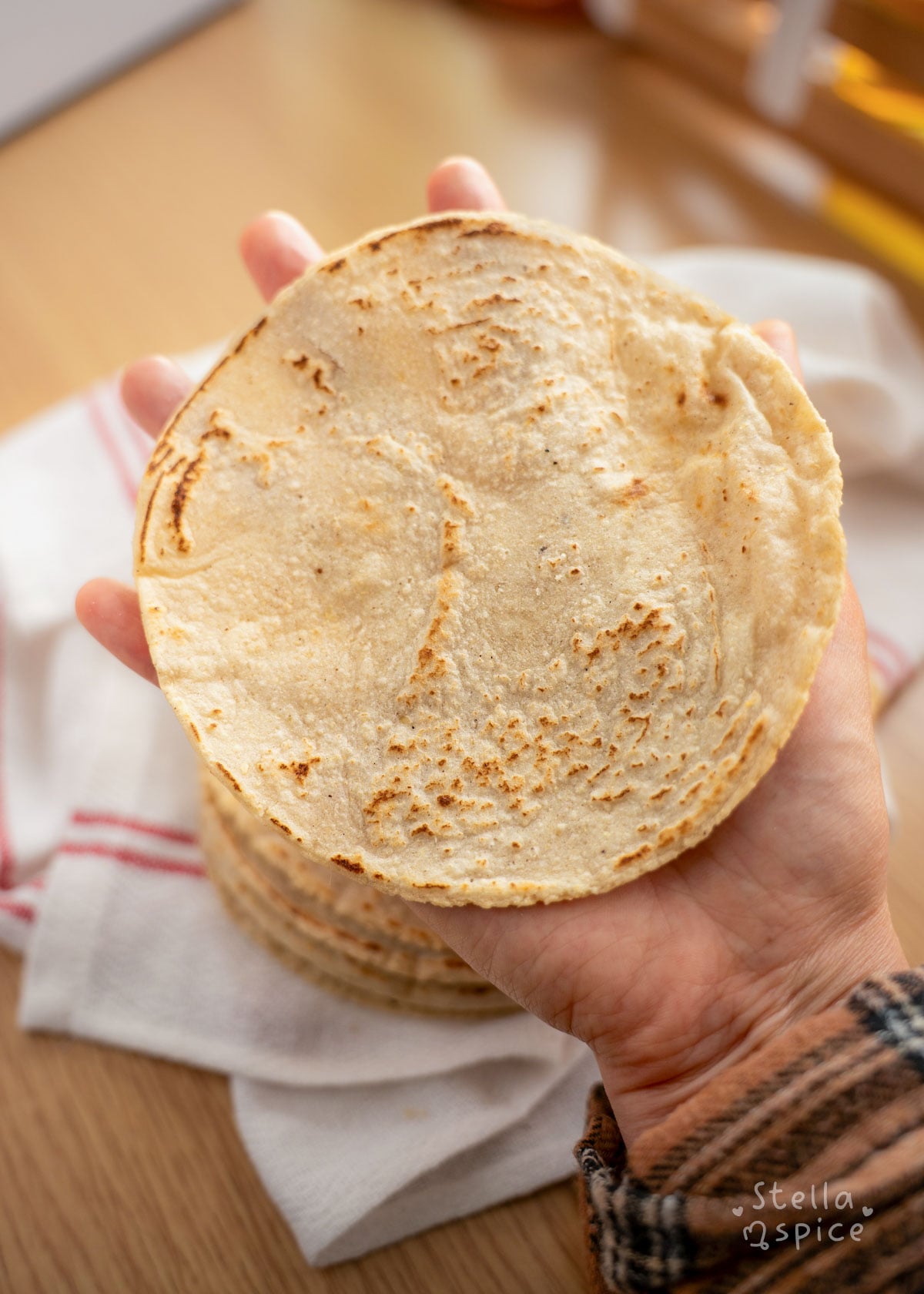
If you can nail all these signs, congrats! You can make a perfect corn tortilla 🙂
Ingredients:
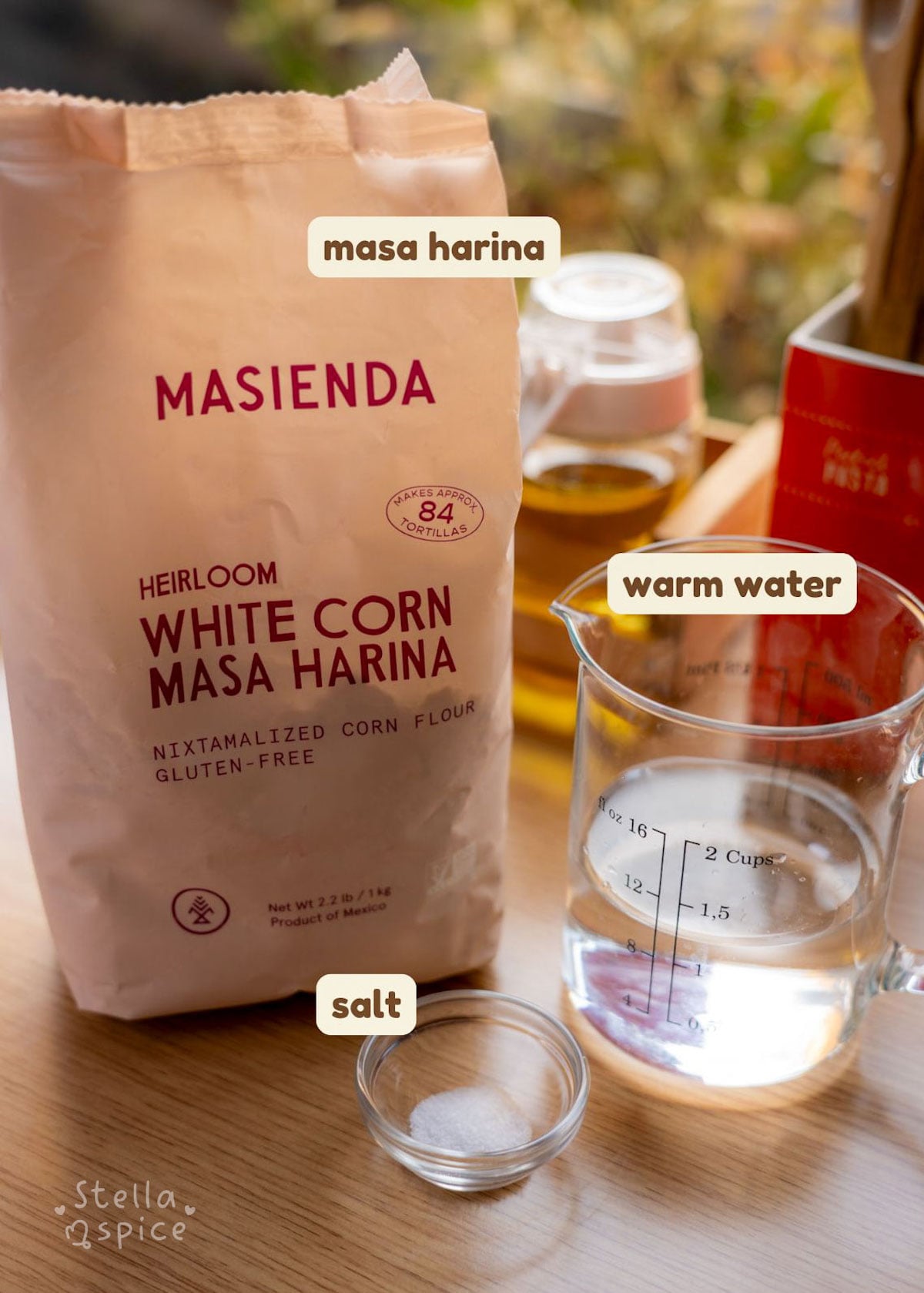
Only 2 ingredients are required to make homemade corn tortillas, but I recommend 3:
- Masa Harina – The most well-known brands are Maseca, Bob’s Red Mill, and Masienda. I’ve used them all, and I prefer Masienda for its high quality & flavor.
- Warm Water – hydrates the masa and helps achieve a smooth, supple dough.
- Salt – A pinch of salt enhances the corn flavor, but isn’t necessary for traditional corn tortillas. You can leave it out if you want to.
- Optional: Fat – A little oil or lard can add some flavor, make the tortillas even softer, and make them easier to cook, but I don’t usually add it.
Step-by-Step Instructions
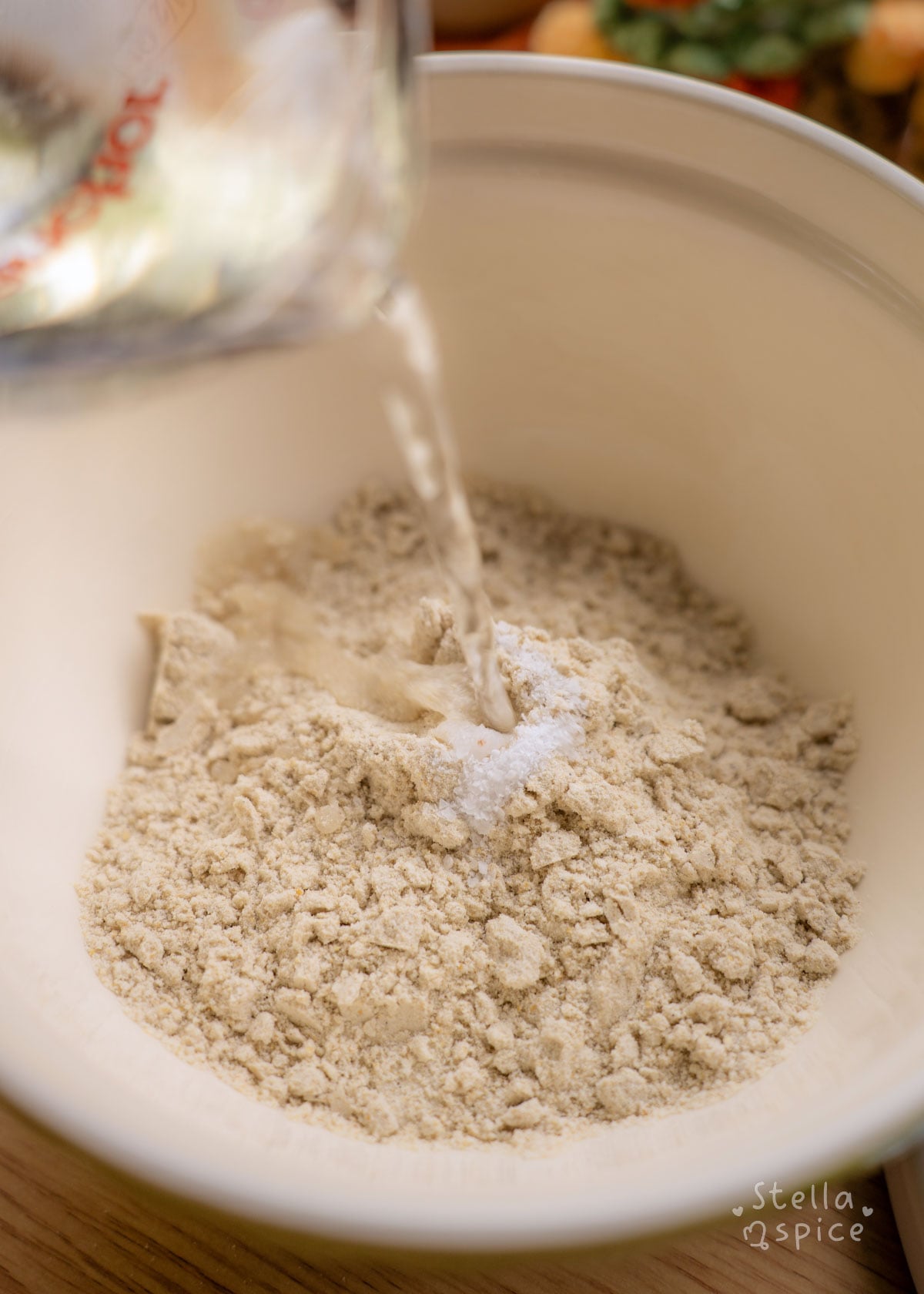
- Combine masa harina, salt, and warm water in a mixing bowl.
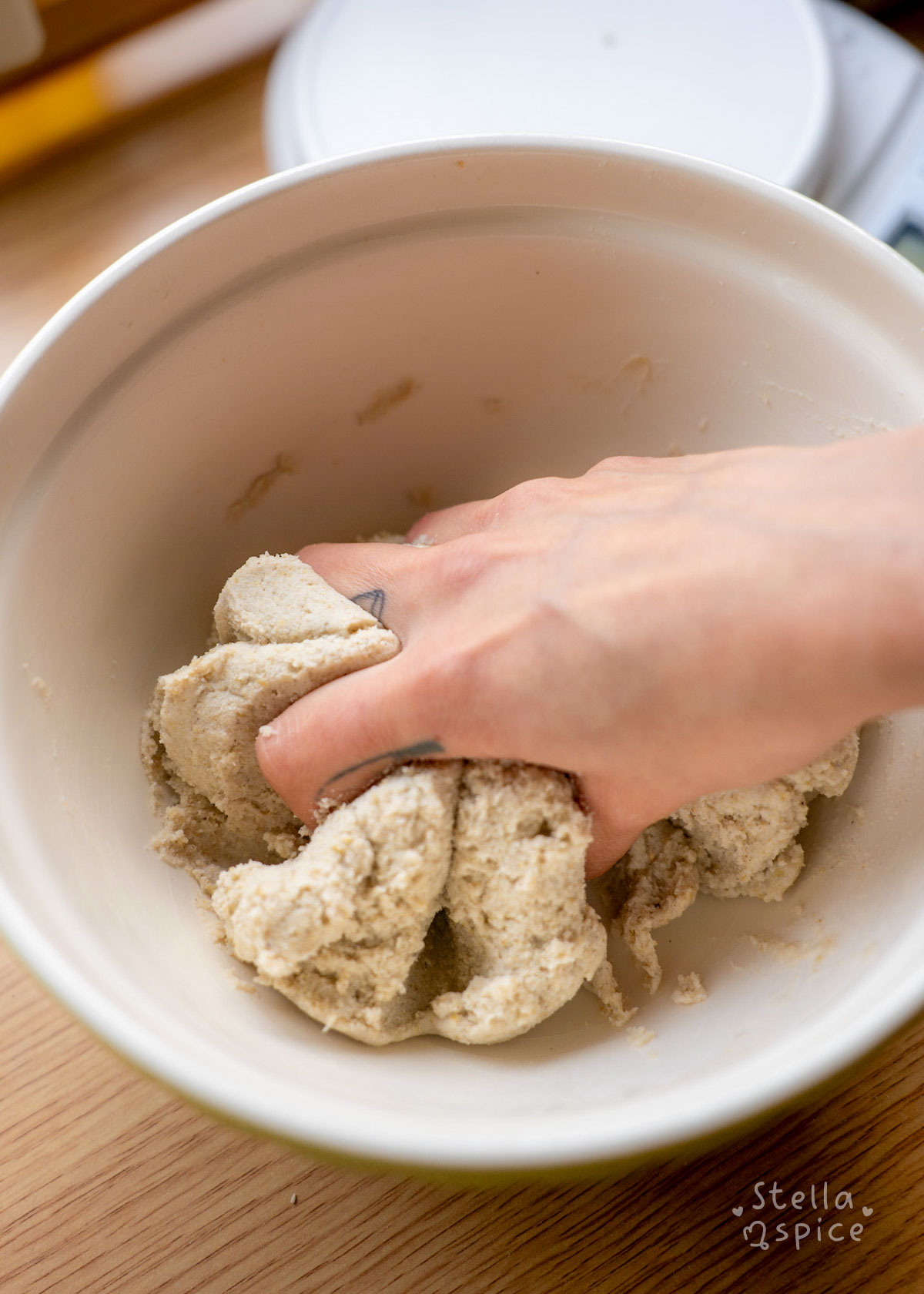
- Mix for 2 minutes to hydrate the dough evenly.
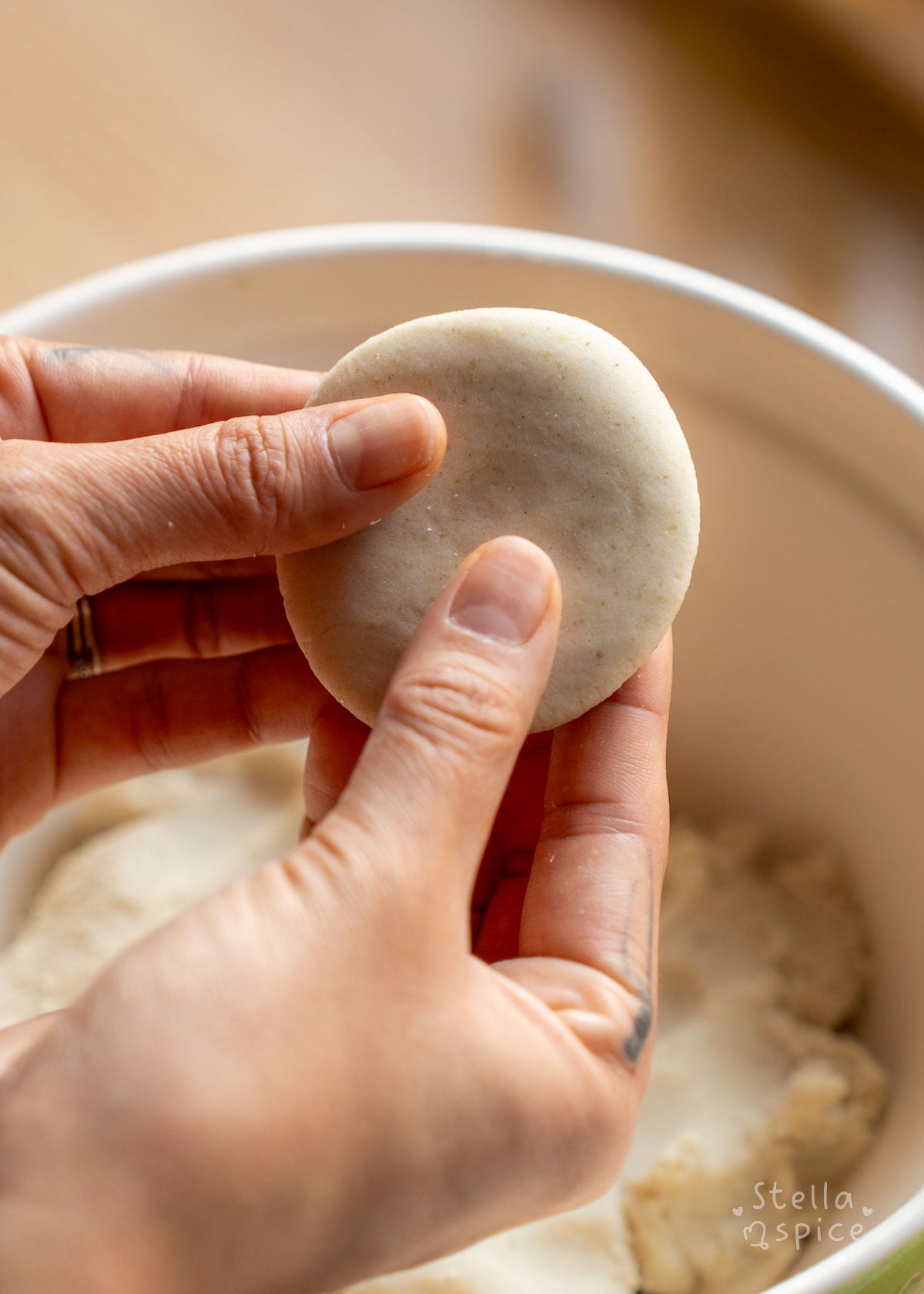
- Check the texture. It should feel soft and smooth like Play-Doh. If it cracks when pressed, add a little more water. If it’s too sticky, add a little more masa.
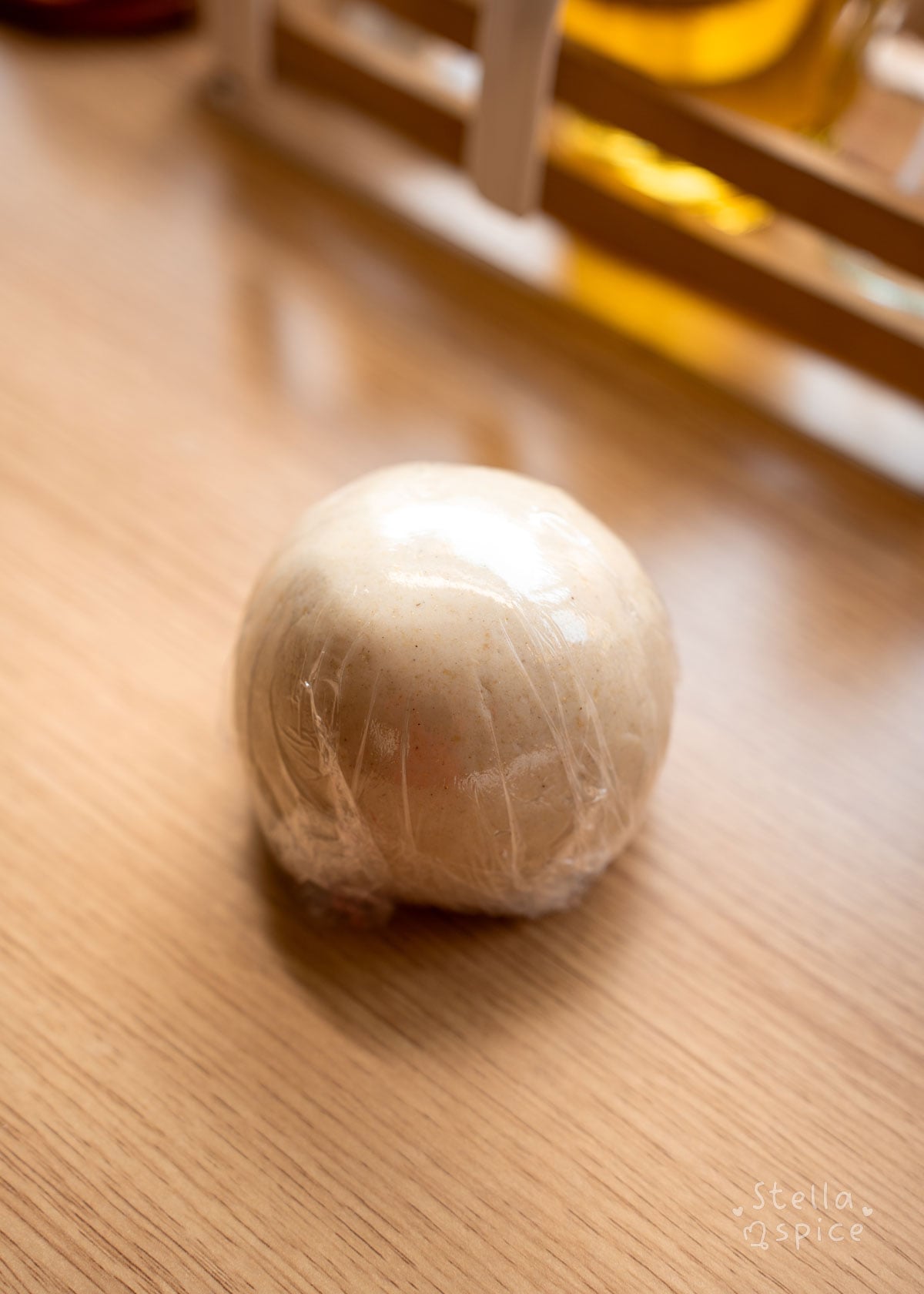
- Let the dough rest for at least 30 minutes, covered or wrapped in plastic so it doesn’t dry out.
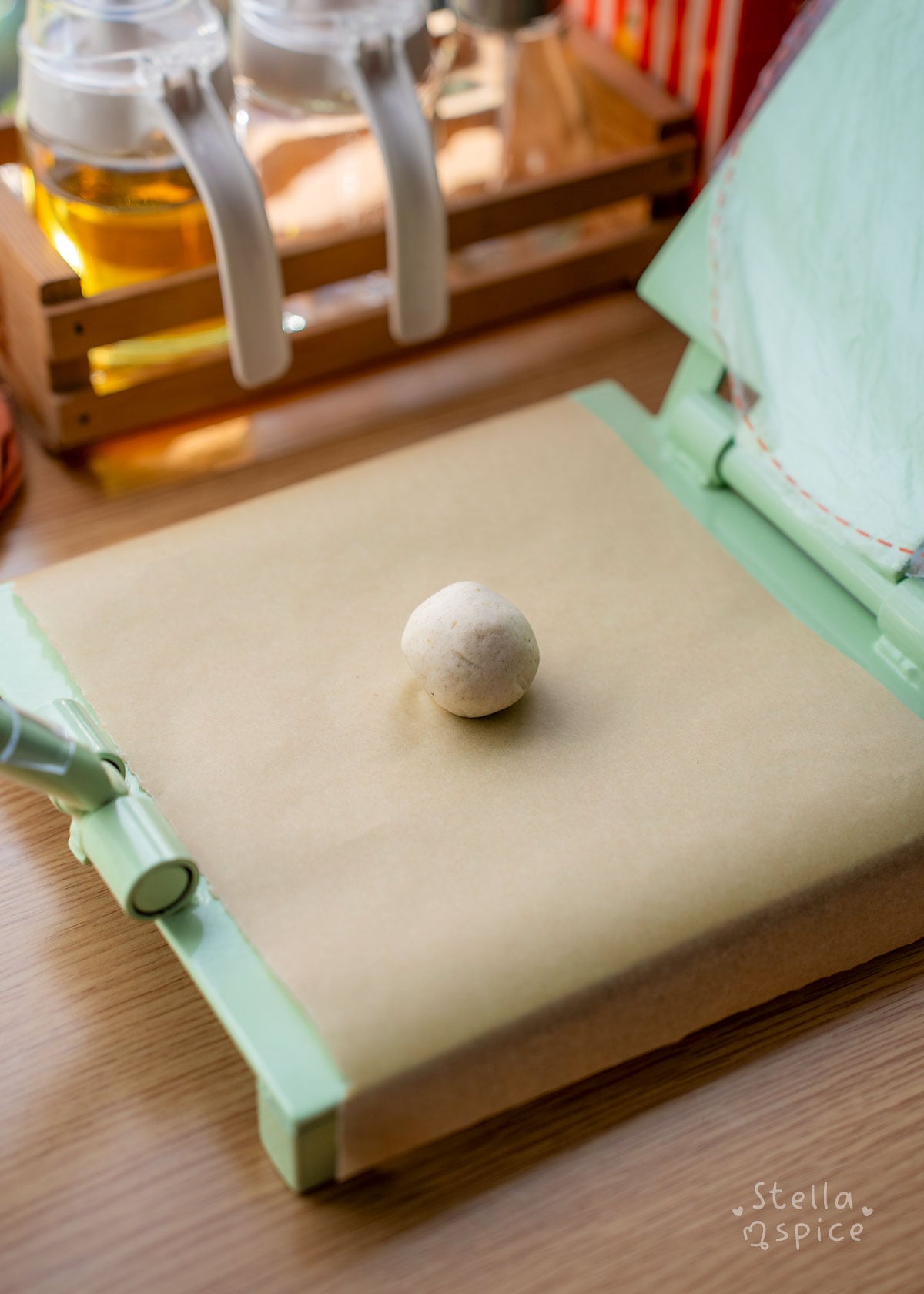
- Re-knead briefly and add water or masa if needed. Then roll the dough into balls about the size of a golf ball.
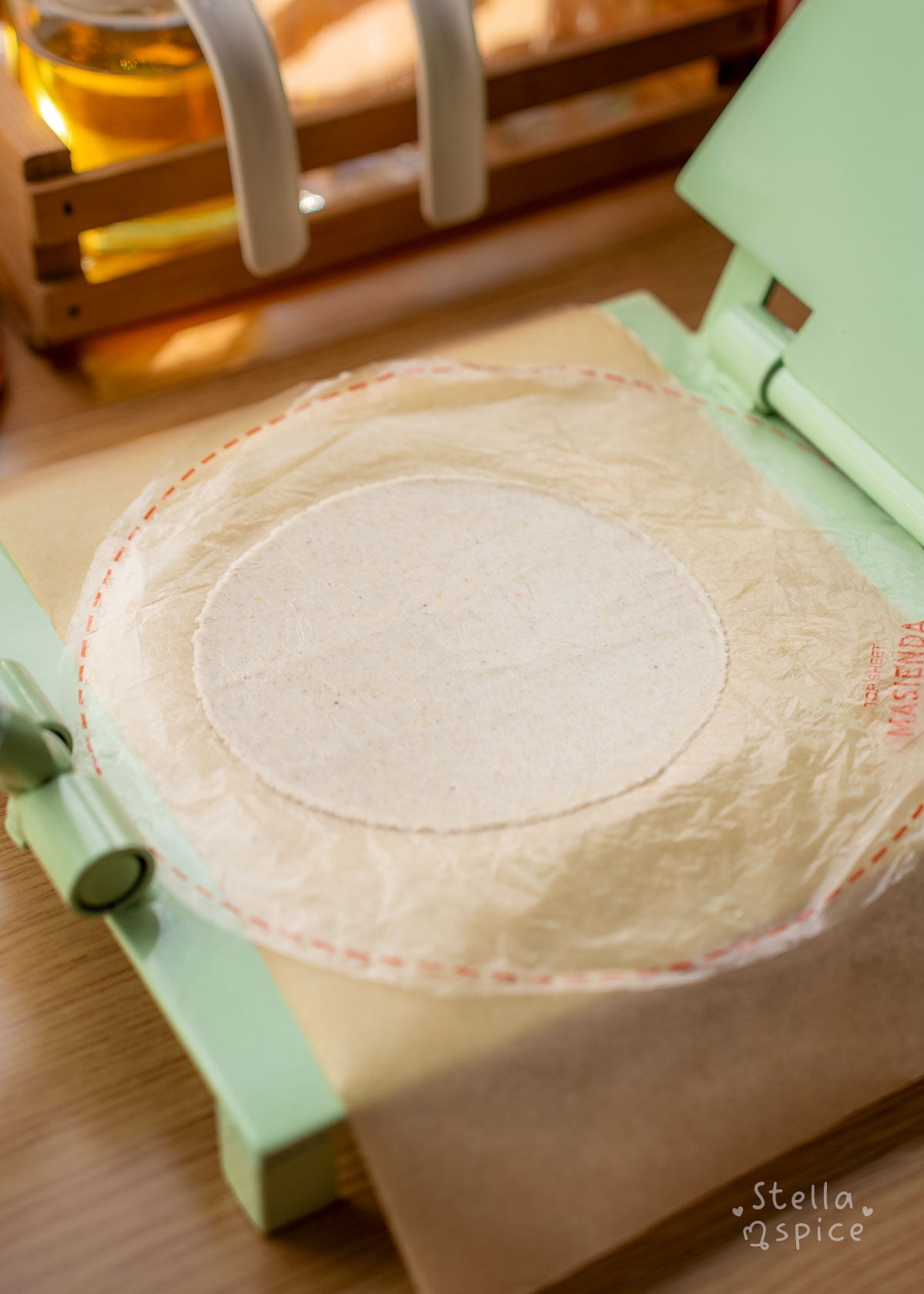
- Prepare your press by lining it with parchment paper on the bottom and plastic on top. Press the ball gently to flatten.
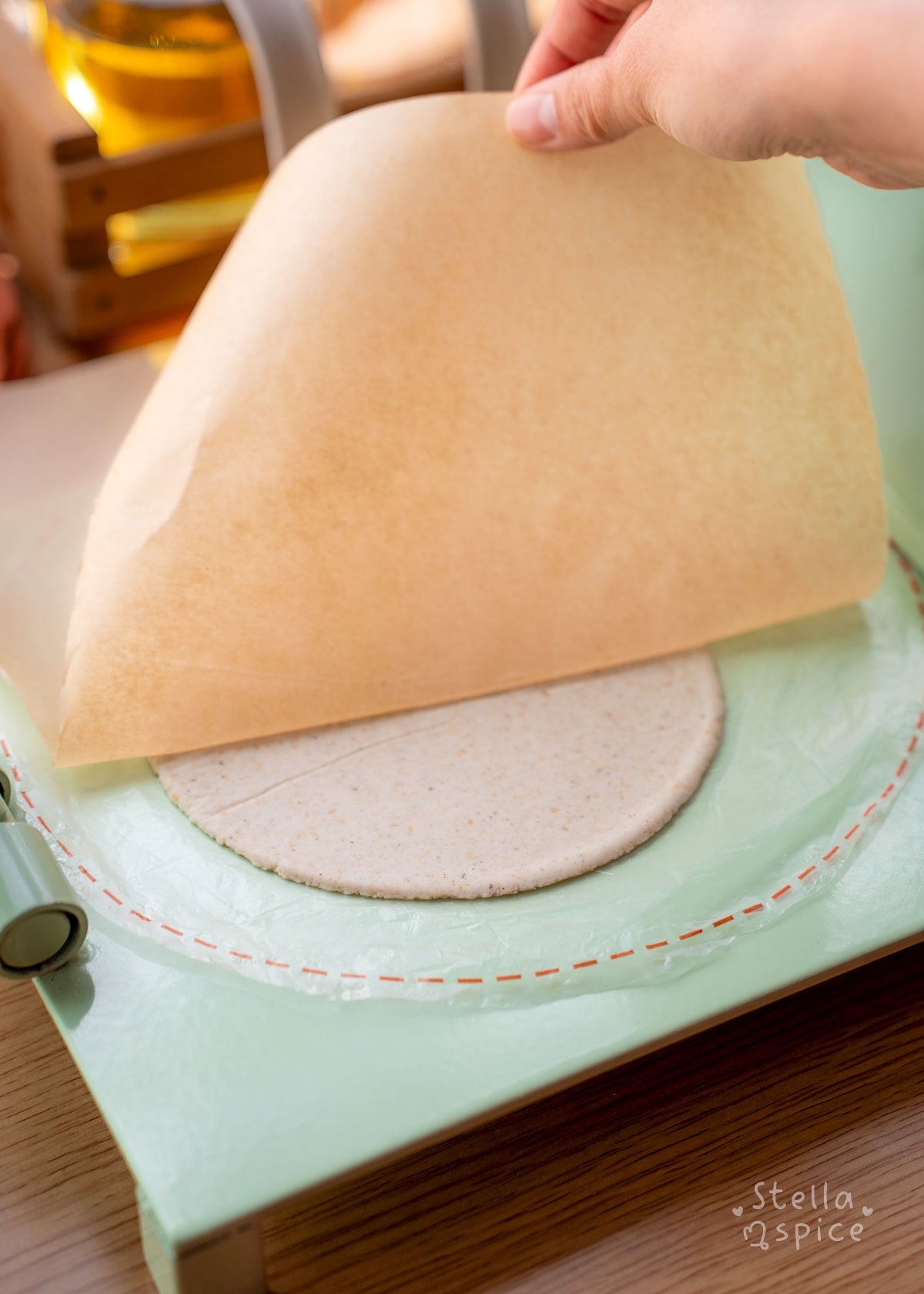
- Turn the tortilla over and press gently one more time to make it even. Then peel the parchment paper away.
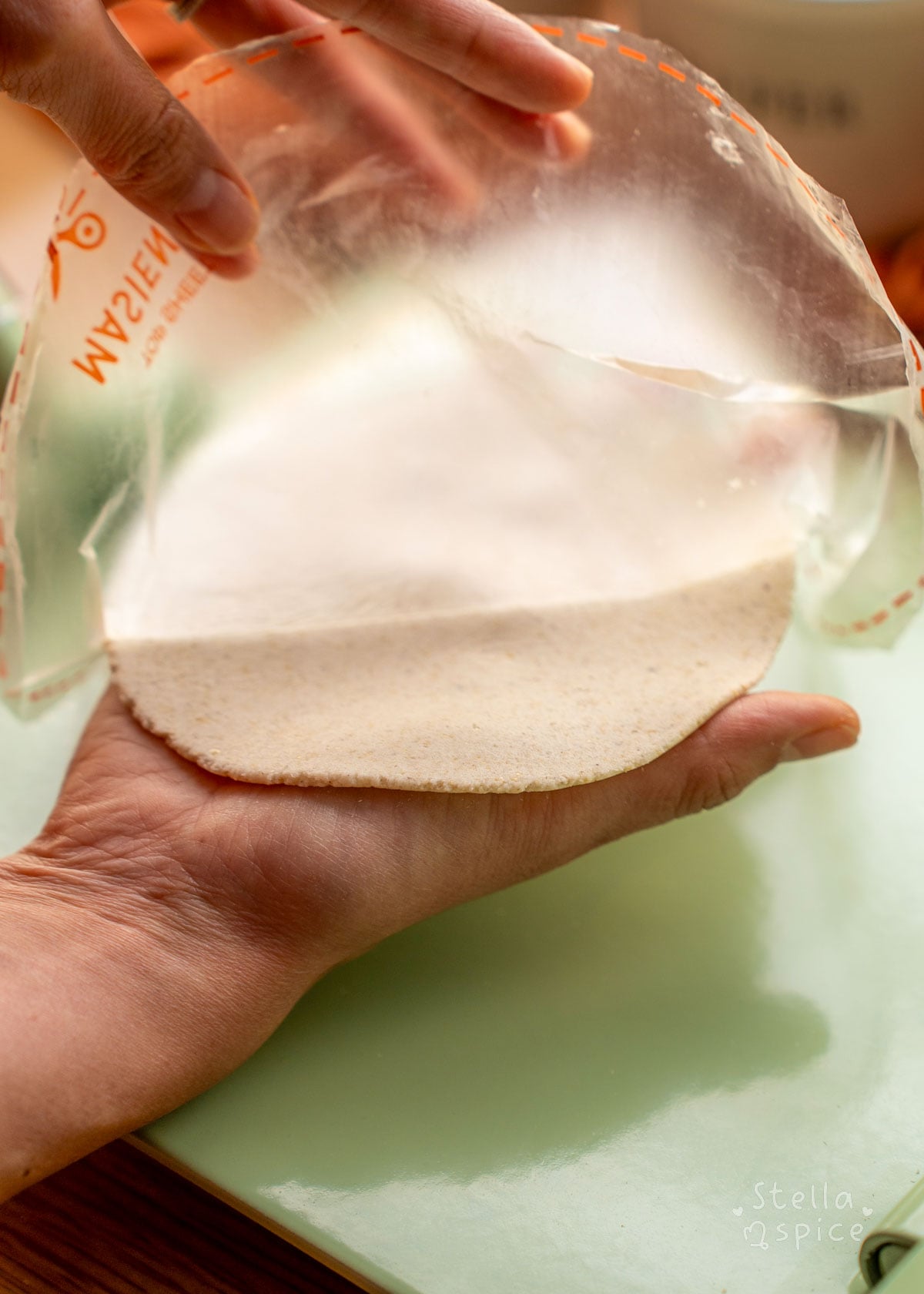
- Peel the plastic away.
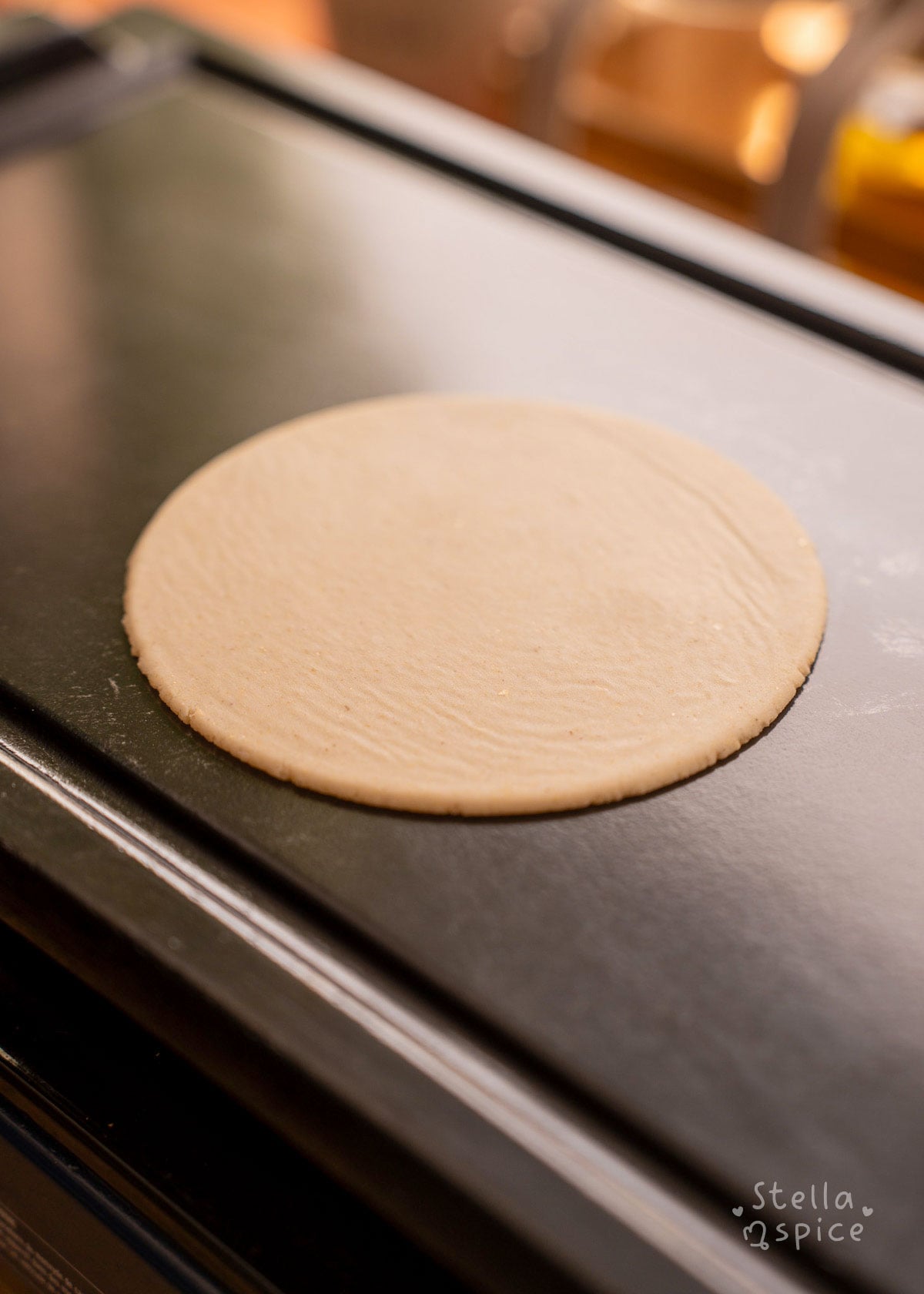
- Heat a non-stick skillet or comal over medium-high heat. Cook the tortilla for 15 seconds.
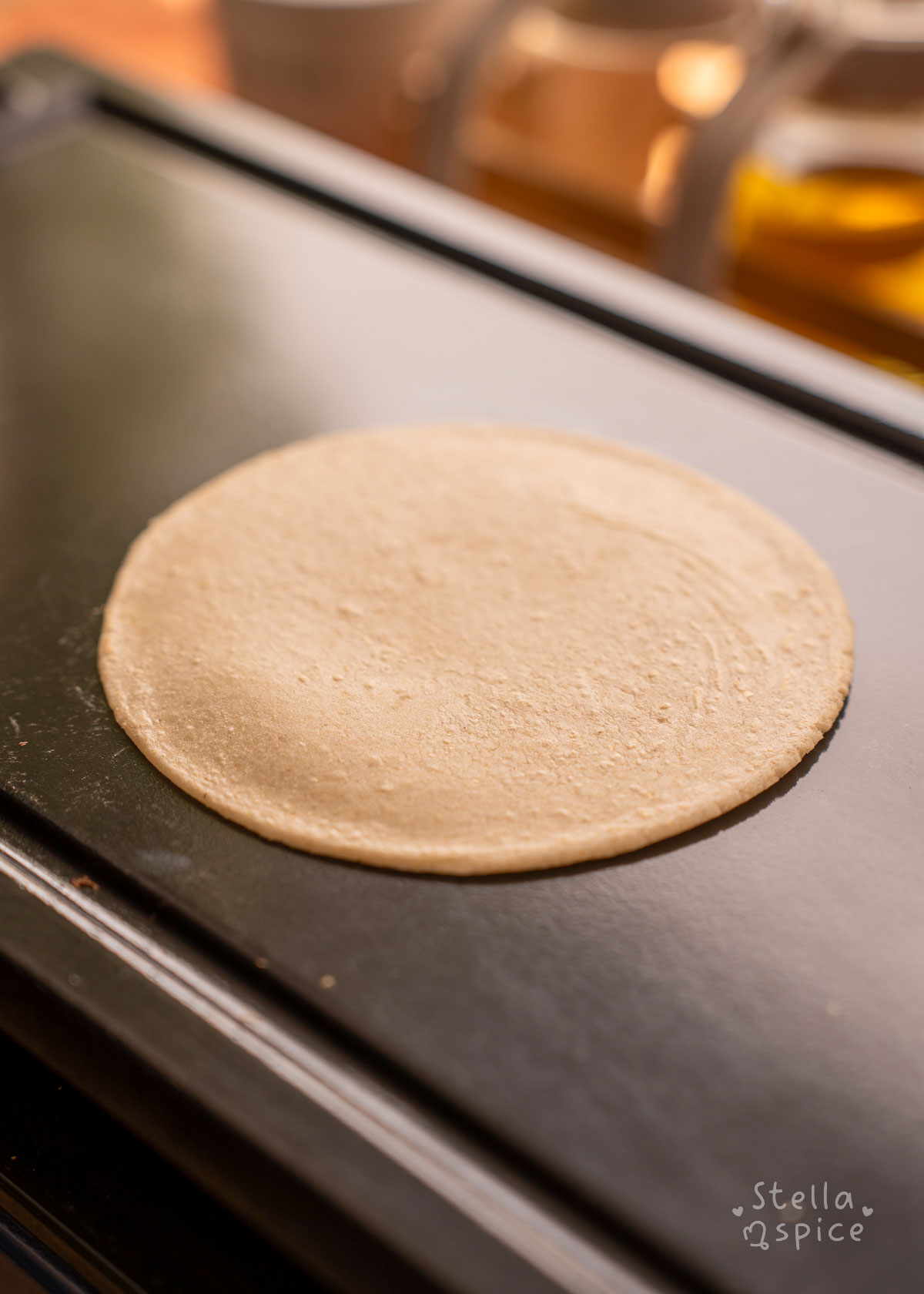
- Flip and cook the other side for 40 seconds.
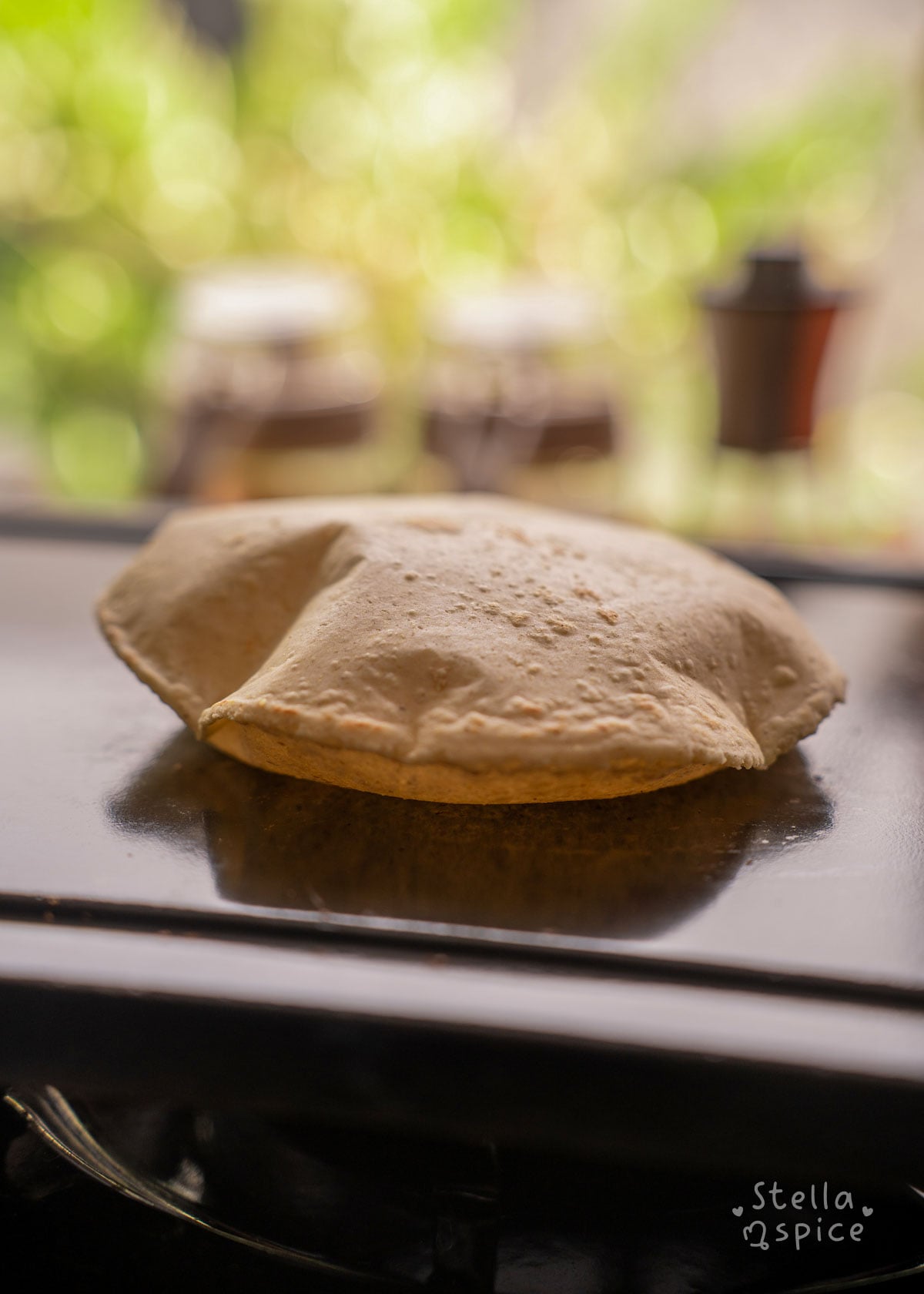
- Flip again and the tortilla should puff within 10-15 seconds.
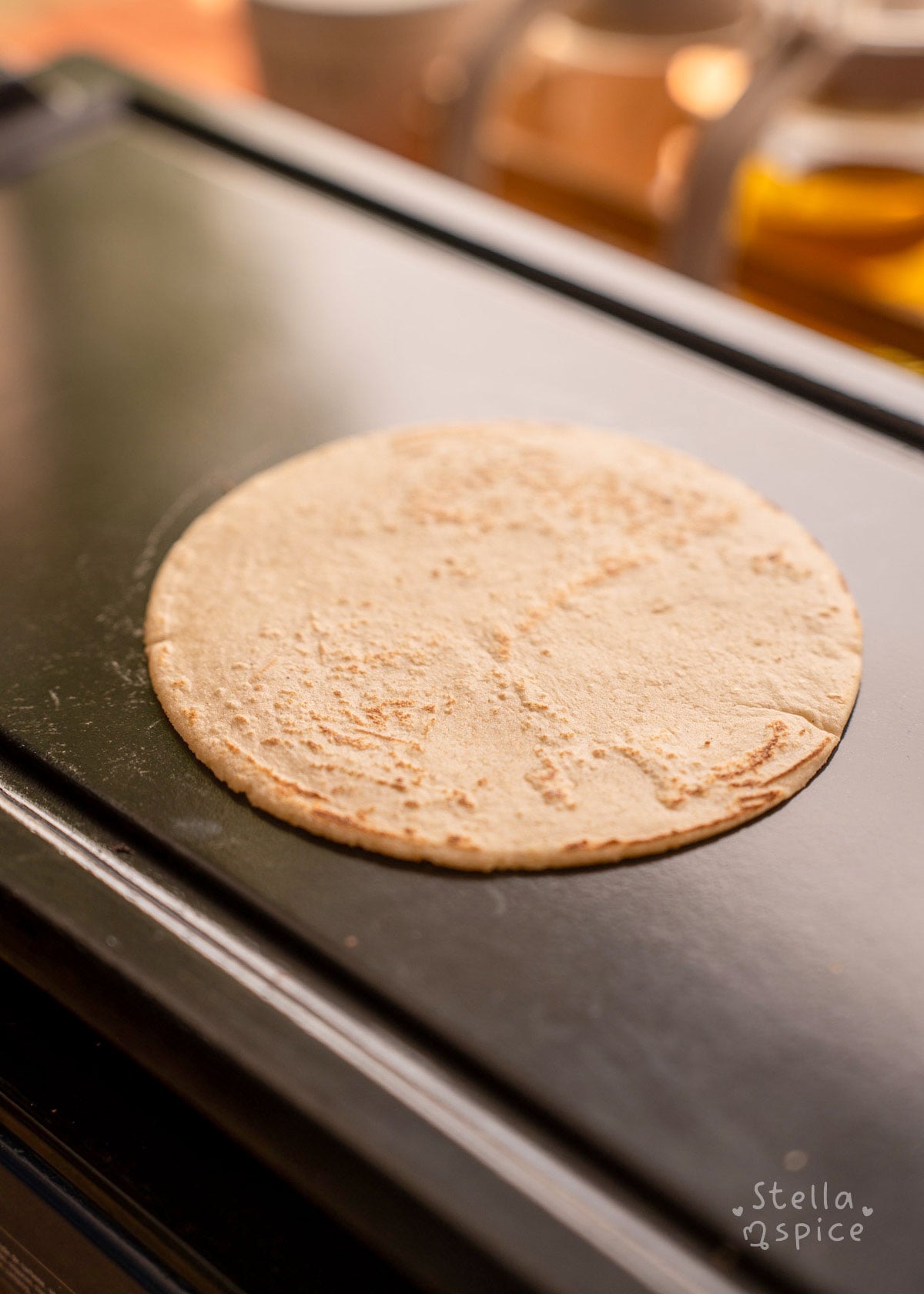
- Flip one last time to finish cooking the tortilla for 10 seconds.

- Keep the tortillas wrapped in a towel or tortilla warmer before serving. This step is extremely important, don’t skip it!
Recipe Tips
Use a non-stick comal or griddle. I cannot stress this enough: your tortillas should glide easily across the surface so you can flip them quickly (even with your hands if you’re comfortable). A non-stick surface gives the most consistent results, especially for beginners. If you’re using cast iron, make sure it’s very well-seasoned.
Streamline the process: While one tortilla cooks during the longest stage (about 40 seconds on the second flip), press the next one to keep the process smooth and efficient.
Tortillas not puffing? Your comal or griddle may be not be hot enough. Puffing happens when steam forms rapidly inside the tortilla. If your comal isn’t hot enough, the crust sets too slowly and the steam escapes instead of separating the layers. You can also encourage puffing by gently pressing around the edges with your finger or a damp towel after the second flip. This helps direct the steam inward.
Use a timer: It might feel like overkill, but timing makes a huge difference when you’re learning! A timer helps you build consistency until it becomes second nature.
Use a tortilla warmer or towel: This step is crucial for soft, pliable tortillas. Stacking them and keeping them covered traps a little steam, allowing the tortillas to relax, stay flexible, and finish hydrating as they cool.
Hydration Guide for Different Masa Harina Brands
Every masa harina brand absorbs water differently, so your dough may need more or less hydration depending on the brand you use. Here’s a quick guide to help you get the right consistency:
Masienda: Typically needs 1 to 1¼ cups of water per 1 cup of masa harina. It’s made from traditionally nixtamalized heirloom corn and tends to be “thirstier,” resulting in a softer dough.
Note: this masa harina is a bit more difficult to work with compared to others. It requires some fine tuning, because the grain can vary slightly from bag to bag.
Maseca: Usually needs about ¾ cup water per 1 cup masa. It absorbs less water, producing a slightly firmer dough. It’s highly consistent from bag to bag due to industrial processing and standardized milling, making it easier to work with. I recommend the brown bag (Nixtamasa).
Bob’s Red Mill: Usually needs between ¾ and 1 cup water per 1 cup masa, due to its slightly coarser grind.
No matter the brand, the goal is the same: a dough that’s well hydrated, doesn’t crack, and doesn’t stick to your hands. The texture should be VERY similar to Play-Doh. Adjust water a teaspoon at a time until it feels just right.
Storing & Reheating Homemade Corn Tortillas
Homemade tortillas are best enjoyed fresh, but you can store them for later without losing too much flavor or texture.
Storing
- Short-term (same day or next day): Keep tortillas in a clean kitchen towel or tortilla warmer at room temperature to maintain softness.
- Long-term (up to a week): Stack tortillas, place in a resealable plastic bag AND an airtight container, and refrigerate.
- Freezing: Layer tortillas with parchment between each, wrap tightly, and freeze for 2–3 months in a plastic resealable bag. Thaw at room temperature before reheating.
Reheating
- Griddle or comal: Heat over medium heat for 30–60 seconds per side, until warm and pliable.
- Direct flame: Quickly pass tortillas over a gas flame for 5–10 seconds per side, flipping until soft and ready. Use tongs, keep them moving, and cover immediately after to trap steam.
- Microwave (last resort only): If you must, wrap a few tortillas in a damp towel and heat briefly. This method can dry them out and reduce flavor, so it’s only recommended when no other option is available.
Pro tip: Always cover tortillas in a warmer or towel after reheating, even for a few seconds. Trapped steam keeps them soft and flexible.
Serving Suggestions
Homemade corn tortillas are an incredibly versatile staple in Mexican cuisine. You can eat them as sides or mains, and of course tacos! Here are a few delicious ways to use them:
Tacos
These tortillas are sturdy enough for juicy fillings but soft enough to fold easily, which makes them perfect for all kinds of tacos.
Some of my most popular recipes are my Tacos Al Pastor or Carne Asada Tacos! For something lighter, use them for my bright, citrusy Tequila Lime Shrimp Tacos. I LOVE the slaw on these shrimp tacos.
And if you’re craving something rich, they hold up beautifully with Crispy and Tender Carnitas or melty, dunkable Beef Birria Tacos.
Crispy & Fresh
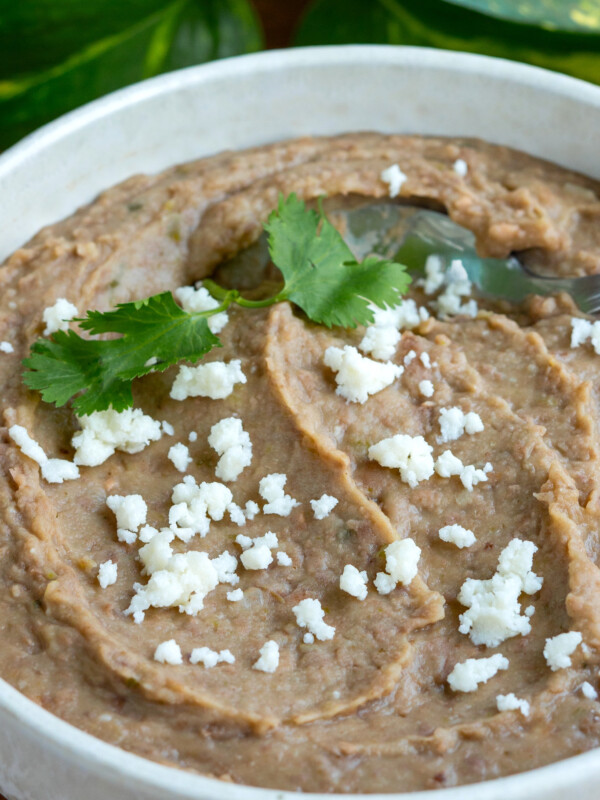
You can also fry these tortillas lightly to make crunchy tostadas. They’re especially delicious topped with bright, refreshing Mexican Shrimp Ceviche. Or you can top it with Authentic Refried Beans, cheese, lettuce, and your favorite hot sauce!
Simple & Classic
Warm tortillas with cheese (quesadilla) is one of the easiest, most comforting things you can make – perfect as a snack or quick side.
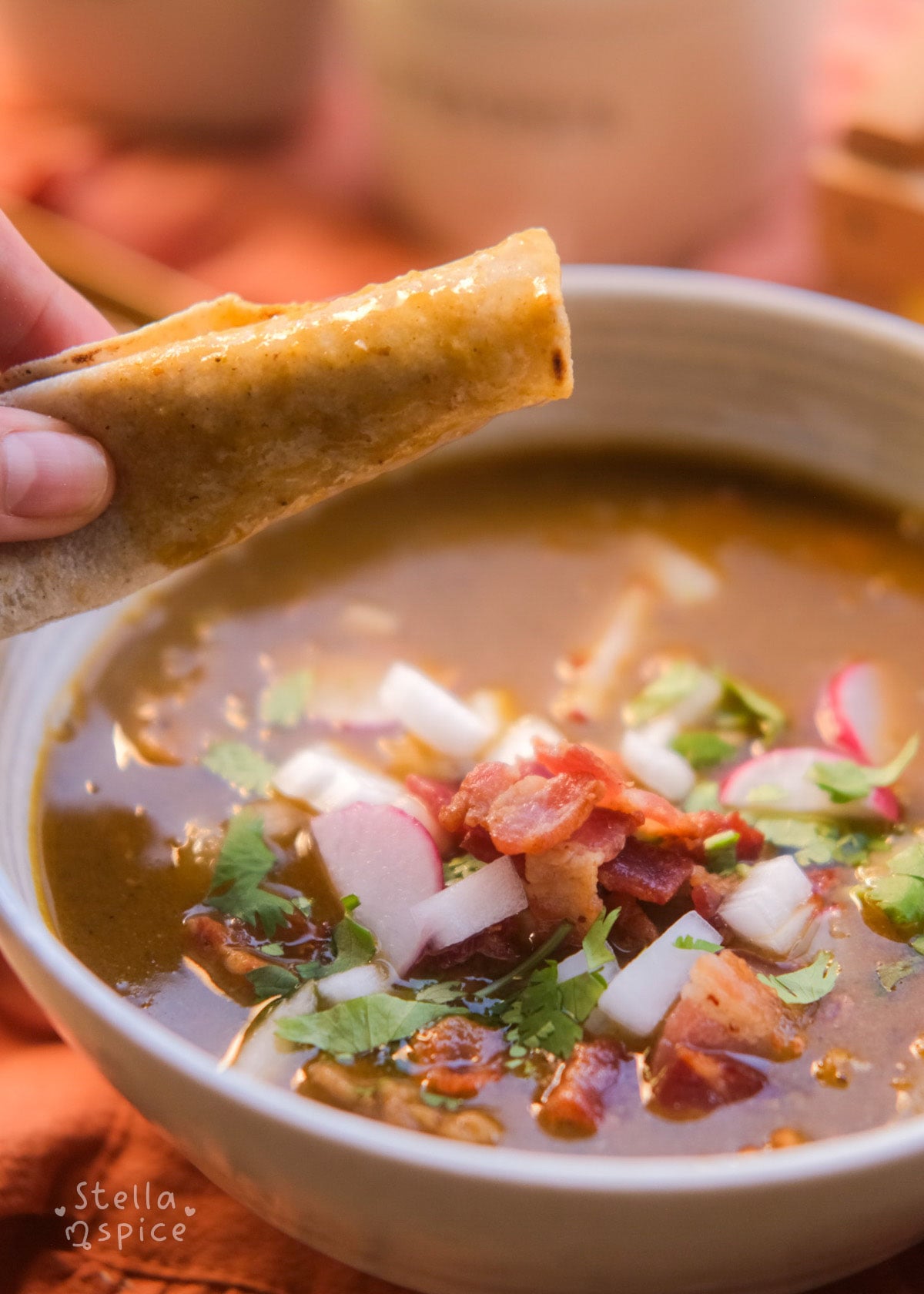
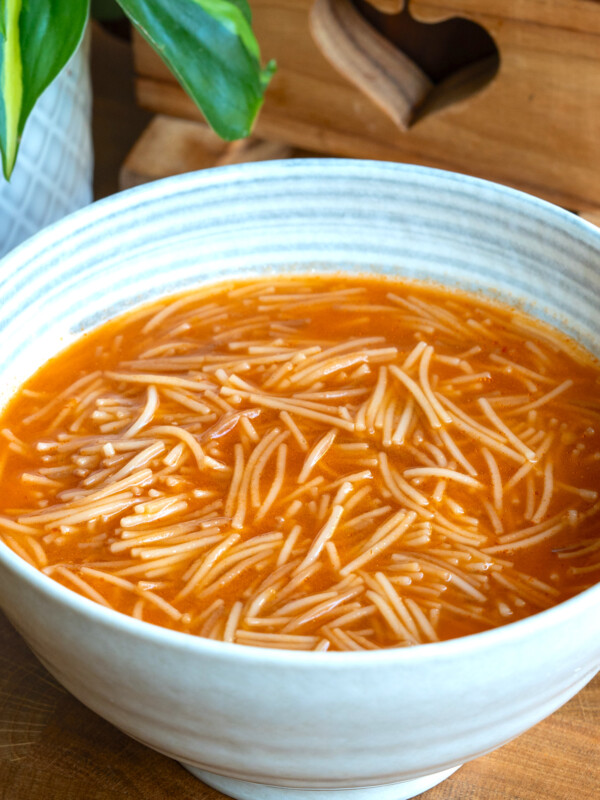
They’re also amazing served with soups and stews. Use them to scoop, dip, or just enjoy on the side with a bowl of Sopa de Fideo, Chicken Pozole Verde, or my favorite – Carne en su Jugo (Meat in its Juices).
Frequently Asked Questions
A few things can cause this:
The comal isn’t hot enough
The dough needs a little more water
The dough wasn’t rested long enough
Try increasing the heat slightly and gently pressing on the edges of the tortilla after the second flip to help trap steam.
It should feel like soft Play-Doh. Smooth, moist, and easy to roll into a ball without sticking. If it feels stiff, crumbly, or cracks around the edges, it needs more water.
Yes. Brands like Maseca are very consistent and use less water, while heirloom or traditional masas like Masienda tend to need more water and longer rest. Always adjust based on feel/look rather than measurements.
Yes, just keep it tighly wrapped in plastic and store in the fridge for up to 2 days. Let it come to room temp before pressing, and you may need to add a little more water.
More mexican staples
If you tried this Homemade Corn Tortilla recipe or any other recipe on my website, please leave a 🌟 star rating and let me know how it went in the comments below!

Homemade Corn Tortillas (Perfect Every Time + Foolproof Tips)
Equipment
- comal or griddle
Ingredients
- 1 cup masa harina, 150g
- 1 cup water
- ½ tsp kosher salt
Instructions
- Combine 1 cup (packed) masa harina, ½ tsp salt, and between ¾ to 1 cup of warm water in a mixing bowl. Mix for 2 minutes to hydrate the dough evenly.*The amount of water depends on the brand of masa harina you are using. Maseca uses less water, while Masienda uses a bit more.
- Check the texture. It should feel soft and smooth like Play-Doh. If it cracks when pressed, add a little more water. If it's too sticky, add a little more masa.
- Let the dough rest for at least 30 minutes (1 hour is better), covered or wrapped in plastic so it doesn't dry out.
- Re-knead briefly and add water or masa if needed. Then roll the dough into balls about the size of a golf ball and keep them covered.
- Prepare your press by lining it with parchment paper on the bottom and plastic on top. Press the ball gently to flatten.
- Turn the tortilla over so the parchment paper is now facing up. Press gently one more time to make it even all around. Then peel the parchment paper away.
- Gently cradle the exposed side of the tortilla in your hand, then carefully peel the plastic away from the other side.
- Heat a non-stick skillet or comal over medium-high heat. Cook the tortilla for 15 seconds.
- Flip and cook the other side for 40 seconds.
- Flip again and the tortilla should puff within 10-15 seconds.
- Flip one last time to finish cooking the tortilla for 10 seconds.
- Keep the tortillas wrapped in a towel or tortilla warmer before serving. This step is extremely important, don't skip it!
Notes
- Use a non-stick comal or griddle so tortillas release easily and flip cleanly.
- No puff? Heat may be too low. You can also try gently pressing the edges after the second flip to encourage steam.
- Use a timer for consistent cooking on each side.
- Keep tortillas warm in a towel or tortilla warmer to keep them soft and pliable.
- Streamline the process: While one tortilla cooks during the longest stage (about 40 seconds on the second flip), press the next one to keep the process smooth and efficient.
Nutrition
Nutrition information is automatically calculated, so should only be used as an approximation.








Any recommendations on a press?
Stella, this was about my 100th attempt at making corn tortillas from scratch. I’m in my 40’s and I could never get it quite right until I tried your method. My tortillas turned out PERFECT! There is so much good information here, thank you so much for sharing this.
My go-to recipe from now on. Cannot stress enough how incredible of a find this was. Tortillas came out perfectly. I have struggled and failed several times before to make them. It is now a cakewalk. They are smooth, soft and pliable. They taste great. I will remember this forever (and print the page out just in case, memories being what they are).
I really appreciate the care and thought that went into this recipe. Every detail was a new nugget of wisdom for me. I can’t wait to try the different brands of masa once I work through my current bag of maseca.
Stella, I owe you one. Thanks for being such a great writer. I can’t wait to check out your other recipes.